寡妇制造者的终章? Endgame for the Widow Maker?
从“失去的三十年”到负利率终结:解析世界最大负债国的生存之道与未来危机。 From "The Lost Decades" to the end of negative rates: Decoding the survival and future crisis of the world's most indebted nation.
一、 债务之山:定义与历史背景 I. Mountain of Debt: Context
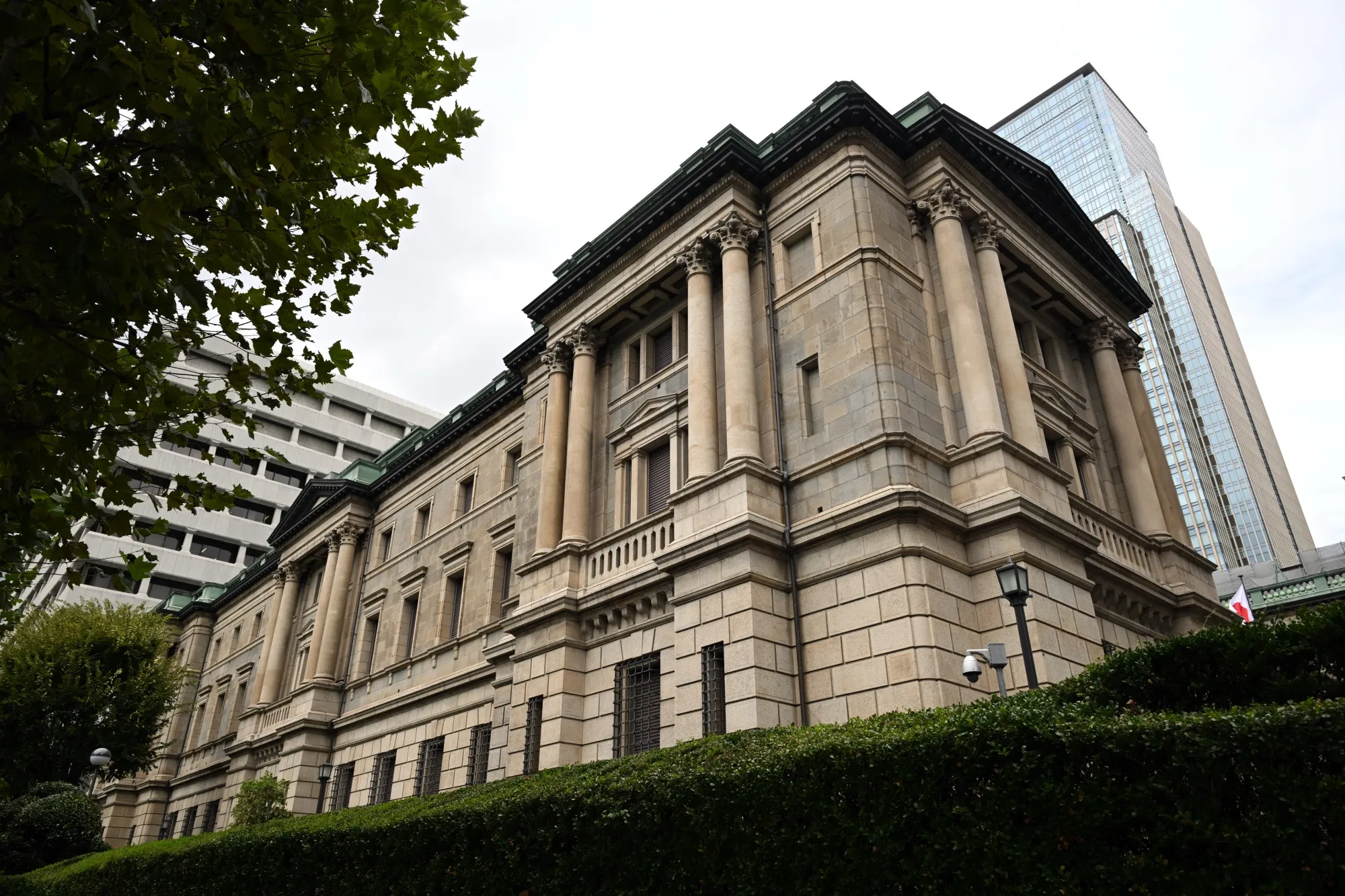
日 本国债(Japanese Government Bonds, JGBs)是全球第二大主权债券市场,仅次于美债。然而,它也是经济学教科书中最反直觉的存在:日本拥有发达国家中最高的债务占GDP比率(超过260%),却在过去几十年里维持了极低的利率,并未引发违约危机。 J apanese Government Bonds (JGBs) represent the world's second-largest sovereign bond market. Yet, they are an anomaly in economic textbooks: Japan holds the highest debt-to-GDP ratio in the developed world (>260%), but has maintained ultra-low interest rates for decades without triggering a default crisis.
这一现象源于1990年代初泡沫经济破裂后的“资产负债表衰退”。为了填补私营部门去杠杆留下的需求黑洞,日本政府进行了长达30年的大规模财政刺激,导致债务如滚雪球般累积。 This phenomenon stems from the "Balance Sheet Recession" following the bubble burst in the early 1990s. To fill the demand void left by private sector deleveraging, the government embarked on 30 years of massive fiscal stimulus, causing debt to snowball.
二、 运作机制:收益率曲线控制 (YCC) II. Mechanism: Yield Curve Control (YCC)
日本国债市场的独特之处在于央行的绝对统治力。为了对抗通缩,日本银行(BOJ)实施了史无前例的货币政策。 The JGB market is unique due to the absolute dominance of the central bank. To fight deflation, the BOJ implemented unprecedented monetary policies.
YCC 机制详解 (2016-2024) YCC Explained (2016-2024)
- 目标: 将10年期国债收益率锁定在0%附近(最初允许波动±0.1%,后逐渐放宽至±1.0%)。 Goal: Peg the 10-year JGB yield around 0% (initially ±0.1%, later widened to ±1.0%).
- 手段: 央行承诺以固定利率无限量购买国债。这使得BOJ实际上成为了市场的“最后购买者”,彻底消灭了空头(因此做空JGB被称为“寡妇制造者交易”)。 Method: Unlimited buying at a fixed rate. This made the BOJ the "buyer of last resort," crushing short sellers (hence the nickname "Widow Maker" trade).
三、 债务编年史:从泡沫到正常化 III. Chronicles of Debt: From Bubble to Normalization
1990s: 泡沫破裂 (Bubble Burst)
房地产和股市崩盘。政府开始发行“建设国债”和“赤字国债”来支撑经济,债务/GDP比率突破100%。 Real estate and stock markets crash. Government issues bonds to prop up the economy; Debt/GDP breaches 100%.
2013: 安倍经济学 (Abenomics)
黑田东彦出任央行行长,启动异次元宽松(QQE),央行开始大规模吞噬国债,试图通过压低利率来刺激通胀。 Kuroda launches "Bazooka" QQE. The BOJ begins massive bond buying to suppress rates and stoke inflation.
2024-2025: 植田时代 (The Ueda Shift)
通胀回归(受全球及日元贬值影响)。植田和男结束了负利率政策,并逐步停止YCC,日本国债收益率时隔多年重返1%以上,标志着一个时代的结束。 Inflation returns. Kazuo Ueda ends negative rates and dismantles YCC. JGB yields cross 1% for the first time in years, marking the end of an era.
四、 数据透视:不可持续的平衡? IV. Data Insights: An Unsustainable Balance?
2025年,日本面临着严峻的财政算术题:当债务规模如此之大时,即使利率微小的上升也会导致偿债成本剧增。 In 2025, Japan faces a grim fiscal arithmetic: with such a massive debt pile, even a tiny rise in rates causes debt service costs to explode.
日本政府债务占GDP比率 (2000-2025) Japan General Govt Debt to GDP (2000-2025)
日本10年期国债收益率 (2015-2025) Japan 10-Year JGB Yield (2015-2025)
五、 谁是持有者?(房间里的大象) V. The Holder Structure (The Elephant in the Room)
日本国债市场被称为“各种体制中最封闭的市场”。日本银行(BOJ)持有了超过50%的国债余额,实际上将政府债务货币化了。其余主要由国内机构持有,外国投资者占比极低。 The JGB market is famously insular. The Bank of Japan (BOJ) holds over 50% of outstanding debt, effectively monetizing the debt. The rest is held domestically; foreign ownership is minimal.
日本国债持有者结构 (2024年末) Holders of JGBs (End 2024)
六、 风险与挑战:财政主导的陷阱 VI. Risks & Future: The Fiscal Dominance Trap
1. 偿债成本激增 1. Exploding Service Costs
随着利率正常化,日本财务省预计2025财年的国债利息支付将大幅增加。这将挤压社会保障和防卫预算,迫使政府要么增税,要么发行更多赤字国债,形成恶性循环。 As rates normalize, debt service costs are projected to soar in FY2025. This crowds out social security and defense spending, forcing either tax hikes or more deficit spending—a vicious cycle.
2. 日元汇率的牺牲 2. Sacrificing the Yen
为了维持债市稳定,BOJ可能无法像美联储那样激进加息。巨大的利差导致日元长期疲软,推高了进口能源和食品价格,侵蚀了国民财富。 To stabilize bonds, the BOJ cannot hike as aggressively as the Fed. The massive yield gap keeps the Yen weak, driving up import costs and eroding national wealth.