全球资产的基石 The Cornerstone of Global Assets
从汉密尔顿的远见到34万亿美元的重负:全面解析美国国债的过去、现在与未来风险。 From Hamilton's vision to a $34 trillion burden: A comprehensive analysis of the past, present, and future risks of US Treasuries.
一、 定义与历史背景 I. Definition & Historical Context
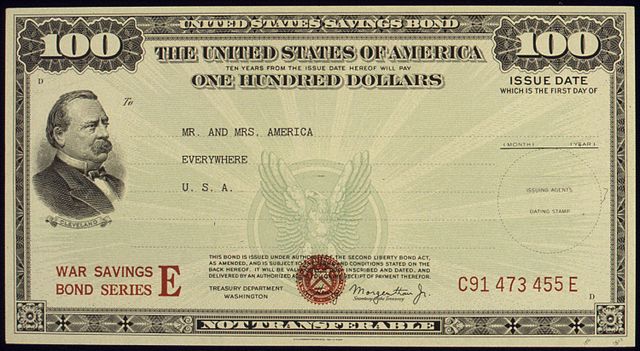
美国国债(U.S. Treasury Securities),本质上是美国联邦政府发行的债务凭证,即政府向投资者打的“欠条”。由于背后有美国政府的征税权和“充分信任与信用”(Full Faith and Credit)作为担保,它被全球金融市场视为“无风险资产”的标杆。 U.S. Treasury Securities are essentially debt instruments issued by the federal government—IOUs from the state to investors. Backed by the government's taxing power and "Full Faith and Credit," they are regarded by global financial markets as the benchmark for "risk-free assets."
其历史可追溯至美国独立战争时期。1790年,为了建立新国家的金融信誉,亚历山大·汉密尔顿推动联邦政府承担了各州的战争债务。这一举措不仅整合了债务,更创造了一个统一的、流动性极强的资本市场。 Their history dates back to the Revolutionary War. In 1790, to establish the new nation's financial credibility, Alexander Hamilton pushed for the federal assumption of state war debts. This move not only consolidated debt but also created a unified, highly liquid capital market.
两个多世纪以来,从路易斯安那购地到应对新冠疫情,美国国债一直是国家应对危机和扩张的主要融资工具。它不仅是政府的账本,更是全球金融体系的血管。 For over two centuries, from the Louisiana Purchase to the COVID-19 pandemic response, Treasuries have been the primary vehicle for financing national crises and expansion. They are not just the government's ledger, but the very arteries of the global financial system.
二、 运作原理与管理方式 II. Mechanisms & Management
美国国债的生命周期涉及两个核心机构:美国财政部(发行者)和美联储(做市商与政策制定者)。 The lifecycle of US Treasuries involves two core institutions: The US Department of the Treasury (the issuer) and The Federal Reserve (market maker and policy setter).
财政部的角色 (The Issuer) The Treasury's Role (The Issuer)
当联邦政府支出超过税收收入时,财政部通过定期“拍卖”发行国债。这些债券期限不一: When federal spending exceeds tax revenue, the Treasury issues debt through regular "auctions." These securities vary in maturity:
- 短期国库券 (T-Bills): 1年以内,折价发行。 T-Bills: Under 1 year, sold at a discount.
- 中期票据 (T-Notes): 2-10年,半年付息。 T-Notes: 2-10 years, pay interest semi-annually.
- 长期债券 (T-Bonds): 20-30年,主要用于长期融资。 T-Bonds: 20-30 years, used for long-term financing.
美联储的角色 (The Central Bank) The Fed's Role (The Central Bank)
美联储虽然不发行国债,但它是市场上最大的“鲸鱼”。通过公开市场操作 (Open Market Operations),美联储在二级市场上买卖国债,以此调节银行体系的准备金,进而控制利率。在危机时刻,美联储更是通过“量化宽松”(QE) 大规模购债,以此向市场注入流动性。 While the Fed does not issue debt, it is the market's largest "whale." Through Open Market Operations, it buys and sells Treasuries in the secondary market to adjust bank reserves and control interest rates. In crises, it employs "Quantitative Easing" (QE), purchasing massive amounts of debt to inject liquidity.

三、 近二十年发行与交易数据 III. Issuance & Trading Data (20 Years)
过去二十年见证了美国债务规模的爆炸式增长。从2008年金融危机后的救市,到2020年疫情期间的财政刺激,债务上限被一次次突破。 The past two decades have witnessed an explosive growth in US debt. From bailouts after the 2008 financial crisis to fiscal stimulus during the 2020 pandemic, the debt ceiling has been breached time and again.
美国公共债务总额趋势 (2005-2025) US Total Public Debt Trend (2005-2025)
伴随债务规模扩大的,是利率的剧烈波动。2008年后长期的低利率环境在2022年戛然而止,美联储为抗击通胀进行的激进加息,使得国债收益率(即政府的融资成本)飙升至十余年来的高点。 Accompanying the debt expansion is extreme interest rate volatility. The era of low rates post-2008 ended abruptly in 2022. The Fed's aggressive hikes to combat inflation sent Treasury yields—the government's cost of borrowing—soaring to multi-year highs.
10年期国债收益率波动 10-Year Treasury Yield Volatility
四、 谁在为美国买单? IV. Who is Financing America?
美国国债不仅是美国的资产,更是各国外汇储备的核心。各国央行购买美债,既是为了资产保值,也是为了管理汇率。然而,近年来的持有结构正在发生深刻变化。 US Treasuries are not merely American assets; they are the core of global foreign exchange reserves. Central banks buy them to preserve value and manage exchange rates. However, ownership structures are undergoing profound shifts.
主要外国持有者 (2024估算) Top Foreign Holders (2024 Est.)
各国的操作方式:
外国投资者主要通过一级市场拍卖直接认购,或在流动性极佳的二级市场买入。对于日本和中国等贸易顺差国,购买美债是回收美元流动性、维持汇率稳定的重要手段。
Global Operations:
Foreign investors participate via primary auctions or the highly liquid secondary market. For surplus nations like Japan and China, buying Treasuries is a crucial method to recycle dollar liquidity and stabilize exchange rates.
五、 悬顶之剑:问题与危机 V. Sword of Damocles: Risks & Challenges
尽管美元霸权依旧,但美国国债市场并非高枕无忧。当前面临的三大核心挑战: Despite dollar dominance, the Treasury market is not without peril. Three core challenges loom large:
1. 利息支出的不可持续性 1. Unsustainable Interest Costs
随着利率上升,偿债成本已成为联邦预算中增长最快的部分,甚至可能在未来超过国防开支,挤压其他公共投资。 With rising rates, debt service costs are the fastest-growing part of the federal budget, threatening to overtake defense spending and crowd out public investment.
2. 供需失衡风险 2. Supply-Demand Imbalance
美联储正在缩表(QT),外国央行购买意愿下降,而财政部发债规模却在通过天量赤字不断扩大。谁来接盘? The Fed is shrinking its balance sheet (QT), and foreign demand is cooling, yet issuance is surging due to massive deficits. Who will absorb the supply?
危机可能发生吗? Is a Crisis Imminent?
传统的违约(无法还钱)在美国几乎不可能发生,因为它可以印钞。真正的危机形式可能是“财政主导”下的通胀螺旋:为了防止利息成本压垮财政,美联储被迫放弃抗通胀目标,通过印钞购买国债压低利率,最终导致美元信用崩塌和恶性通胀。 Traditional default is unlikely as the US can print money. The real crisis risk is an inflationary spiral under "Fiscal Dominance": The Fed might be forced to abandon inflation targets and print money to suppress yields and save the Treasury, leading to a collapse in dollar credibility and hyperinflation.