电子发票为什么重要:效率、合规、征管与数据价值
从少录一遍数据,到让交易信息进入可治理的流程——真正的收益来自结构化数据、业务整合和制度设计共同起作用。
电子发票常被宣传为“更快、更省、更合规”。但一张电子文件并不会自动缩短付款周期,也不能单凭格式消除舞弊或税务风险。要评估价值,必须先问:发票数据是否结构化?能否与订单、收货、会计和税务系统衔接?异常有没有人负责处理?政策要求又覆盖哪些交易?
先区分“电子文件”与“可处理的数据”
欧盟委员会把电子发票定义为结构化、机器可读并可自动处理的发票数据。把纸票扫描成 PDF,或把 PDF 发到邮箱,能够减少纸张和邮寄,但接收方仍可能需要识别附件、核对字段和手工录入。结构化数据进一步让系统读取发票号、供应方、行项目、税率和金额等字段,才有机会进入自动校验、匹配与记账流程。
所以,比较“电子发票”和纸票时,不应把所有电子交付方式当成同一技术。扫描件、邮件 PDF、门户下载、EDI 或符合标准的结构化电子发票,自动化程度与合规含义各不相同。格式只是价值链的起点。
一、流程效率:减少重复工作,但收益不在每一步都一样
结构化发票可能让收票、字段校验、采购订单匹配、会计科目分派和归档自动化。对买方而言,关键收益往往来自避免把同一笔交易信息从发票再录一次,并减少因录入错误引发的返工。卖方则可减少打印、邮寄和手工发送状态查询。
欧盟委员会的流程分析指出,视觉型数字文件(如 PDF)和结构化发票都可能减少纸张、打印、邮寄和部分归档成本;但自动接收、匹配和账务录入的收益更依赖机器可读的结构化数据。换言之,扫描 PDF 可以让发票“不再是纸”,却不必然让发票“无需人工处理”。
自动化也不是“零人工”。价格不符、缺少订单号、税码不一致、重复发票或供应商信息变更,都需要明确的异常队列、审批人和纠错机制。例外处理能力决定自动化在实际业务中能走多远。
二、合规与审计:可追踪性增强,责任并不会转给软件
电子工作流可以记录发票何时生成、发送、接收、验证、审批和入账;统一的状态与时间戳有助于查找卡点,也能更快定位异常交易。结构化字段还可以和订单、收货记录及付款信息核对,帮助形成可检索的审计轨迹。
但技术不能替企业判断交易是否真实、税率是否适用、开票时间是否正确,或某一国家的格式和留存规则是否已经满足。字段齐全不等于内容真实;传输成功也不等于税务机关已认可。审批权限、供应商身份验证、主数据变更控制、访问日志、备份和保存期限,仍是组织的治理责任。
三、税务征管:及时数据可以帮助风险分析,不能单独消除税收缺口
如果制度要求把发票或交易数据按规定报送税务机关,结构化数据可能支持交叉比对、风险筛查和更有针对性的稽核。它提供的是信息条件,不是自动追回税款的机器。申报质量、审计能力、争议处理、退款制度以及企业的合规意愿都会影响最终结果。
IMF 对秘鲁增值税电子发票改革的研究利用企业间行政交易数据和分阶段推广的准实验设计,估计采用后第一年企业申报销售额、采购额和增加值上升超过 5%;研究认为效果集中在规模较小、原有不合规风险较高的企业。作者同时指出,秘鲁 VAT 退税机制的不足限制了税收动员效果。这个结果说明,在特定改革环境下电子发票与申报行为变化相关;它不是可直接套用到其他国家的“增税比例”,也不能单独证明全国税收缺口下降同样幅度。
2026 年 OECD 关于 VAT 数字持续交易报告的报告也提醒,许多辖区的实时或近实时报告制度以加强合规和风险管理为目标,但推进方式不协调、技术设计差异较大,会给跨境经营企业带来更复杂的合规任务。监管数据更快,并不自动意味着企业总合规成本更低。
四、数据价值:从一张发票延伸到经营分析
稳定、可复用的发票数据可以成为现金流预测、应付账款排程、采购支出分类和供应商表现分析的输入。例如,企业可以按合同、品类或地区查看支出,识别重复付款风险,或更准确地安排现金需求。这是基于数据结构和流程整合的经营分析机会,不是采用电子发票后必然出现的结果。
要把数据变成可用信息,企业需要统一供应商与商品主数据、定义字段和权限、处理币种与税务差异、治理数据质量,并确认谁能访问、保留多久、如何更正。若字段编码不一致,或各市场提供的数据无法对齐,报表会更快地产生,却未必更可信。
现实采用率提醒我们:普及不等于自动化已完成
英国 HMRC 于 2026 年公布一项针对英国 VAT 注册、私营部门、员工少于 250 人企业的调查。IFF Research 在 2025 年 2 月至 3 月电话访问 800 家企业;研究将电子发票限定为可自动处理的结构化数据格式,不把 PDF 或普通邮件计入。加权后有效样本量为 495,且研究使用配额抽样,报告提醒应谨慎外推。
在该研究口径下,29% 的受访中小企业表示使用电子发票;PDF 或邮件仍是最常用的发送和接收方式,分别为 95% 和 98%(可多选),只有 10% 表示同时使用结构化电子发票发送和接收。这些数字反映一项英国调查的自报采用情况,不是全国发票总量中电子发票占比,也不说明使用频率或流程自动化深度。
欧盟委员会对公共采购电子发票指令的 2024 年评估同样指出,接收能力有所建立,但显著的供应商采用主要出现在强制发送电子发票的国家或数字化成熟的成员国;电子发票总体采用在欧盟尚未占多数。评估还将传输互操作列为实施挑战。这说明标准被接受,不等于所有供应商已经接入,更不等于所有环节都无需人工。
企业评估价值,可以先问五个问题
- 定义:当前流程中的“电子发票”是 PDF,还是机器可读、可校验的结构化数据?
- 范围:发票量、交易伙伴和适用市场分别是什么?哪些场景先做能检验价值?
- 流程:能否连接采购、收货、ERP、付款、税务与归档?异常由谁处理?
- 指标:实施前后怎样测量处理时长、人工触点、错误率和例外比例?是否包括供应商接入、集成和维护成本?
- 治理:身份、权限、数据安全、留存、跨境传输和当地规则由谁负责?
结论:价值来自组合,不来自格式标签
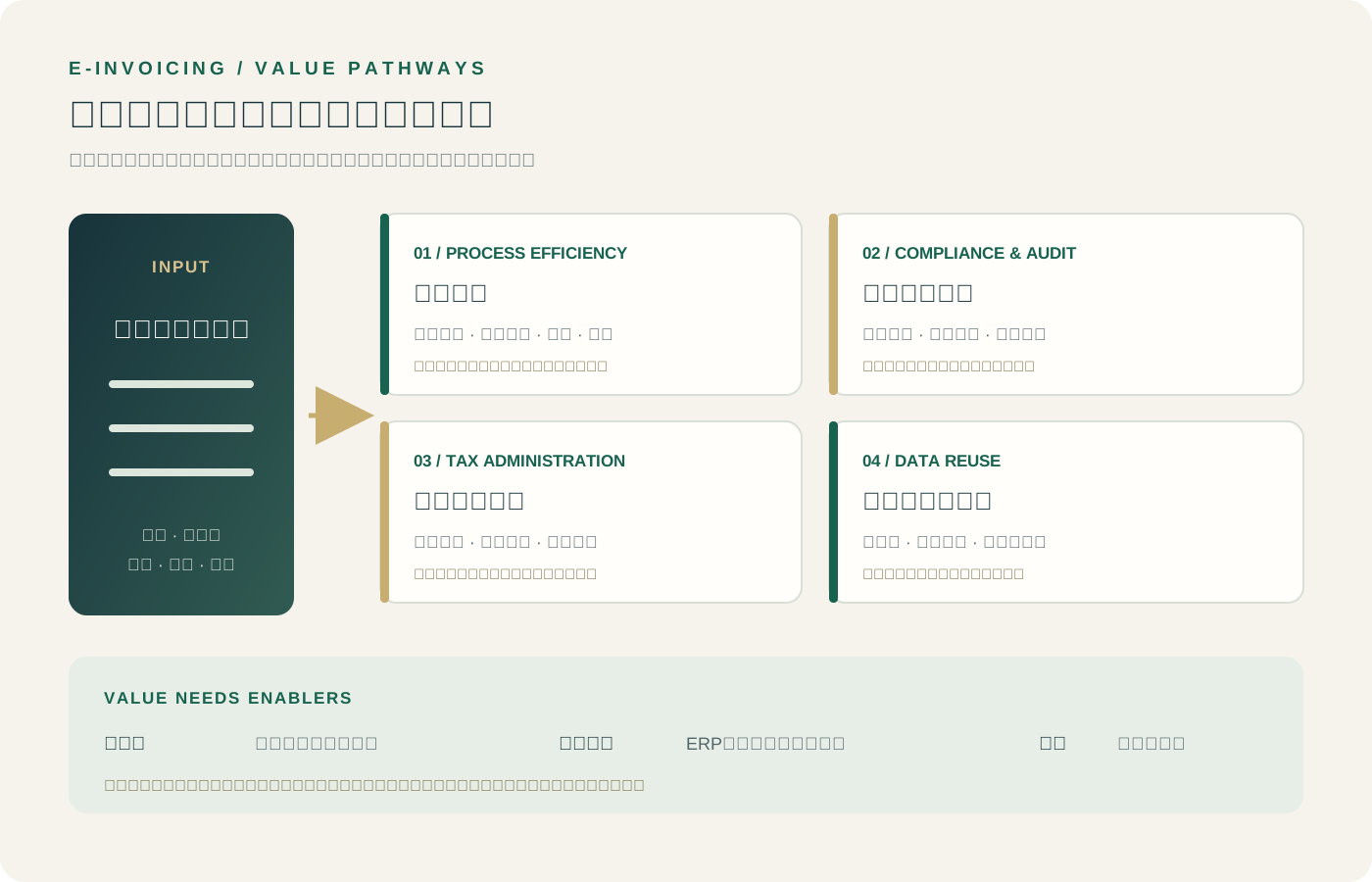
结构化电子发票的价值链可以概括为:交易事实进入标准化数据,数据连接业务流程,流程留下可核查记录,再由人和系统用于申报、分析或决策。任何一环缺失,都可能让技术收益停留在纸张减少或文件传得更快。
因此,评估项目时要同时核算预期收益与改造成本,选择可量化的业务指标,分阶段接入交易伙伴,并保留人工复核和纠错路径。税务机关的数据目标、企业的流程改善和公共互操作基础设施可以相互促进,但三者的收益、责任和衡量方法并不相同。
范围说明与参考资料
本文讨论一般业务机制,不构成税务、法律或会计意见。HMRC 调查为英国特定范围中小企业的加权配额样本;秘鲁研究是特定国家、特定改革与期间的准实验估计;欧盟评估聚焦公共采购指令。数据和政策核对截至 2026 年 10 月 10 日。
- 欧盟委员会:What are the benefits of eInvoicing——按发票生命周期区分视觉文件与结构化数据的潜在流程收益。
- 英国 HMRC / IFF Research:SME 电子发票使用调查——调查定义、样本设计、加权口径与采用率。
- 欧盟委员会:COM(2024)72——Directive 2014/55/EU 实施、公共采购采用与互操作评估。
- IMF Working Paper 2019/231:秘鲁 VAT 电子发票改革的准实验研究。工作论文结论属于作者研究,不代表 IMF 执行董事会或管理层观点。
- OECD:Digital Continuous Transactional Reporting for VAT(2026)——制度设计、企业合规、信息安全和跨境互操作考量。
《电子发票:从一张票到数字交易基础设施》|第 03 篇
撰稿:Global Business Insight
本文用于一般商业与政策讨论,不是对任何电子发票产品的背书,也不替代所在地专业意见。
Why E-Invoicing Matters: Efficiency, Compliance, Tax Administration and Data Value
From eliminating duplicate entry to making transaction data usable across processes, the value depends on structured data, workflow integration and governance working together.
E-invoicing is often promoted as faster, cheaper and more compliant. But a digital file does not automatically shorten payment cycles or eliminate fraud and tax risk. To assess value, ask first: is the invoice data structured? Can it connect to orders, receipts, accounting and tax systems? Who handles exceptions? Which transactions are covered by the applicable rules?
First, distinguish an electronic file from processable data
The European Commission defines e-invoicing as the exchange of invoices in a structured, machine-readable format that allows automatic processing. Scanning a paper invoice or emailing a PDF can reduce paper and postage, while the recipient may still need to identify the attachment, check fields and enter data manually. Structured data can expose fields such as invoice number, supplier, line items, tax rate and amount for validation, matching and posting.
So “electronic invoice” should not be treated as one technology. A scan, emailed PDF, portal download, EDI message and standards-compliant structured e-invoice differ in automation potential and legal meaning. The format is only the start of the value chain.
1. Process efficiency: fewer repetitive tasks, but not every step benefits equally
Structured invoices may automate receipt, field validation, purchase-order matching, accounting-code assignment and archiving. For buyers, a key opportunity is avoiding the re-entry of transaction data and reducing rework caused by keying errors. Sellers may reduce printing, postage and manual status inquiries.
The European Commission’s process analysis distinguishes visual digital files such as PDFs from structured data e-invoices. Both may reduce paper, printing, postage and some archiving costs. Automated receipt, matching and accounting entry depend more heavily on machine-readable structured data. A scanned PDF can make the invoice “paperless” without making it “hands-free.”
Automation also does not mean zero human work. Price mismatches, missing order references, inconsistent tax codes, duplicate invoices and supplier-data changes need an exception queue, an accountable approver and a correction process. Exception handling sets a practical ceiling on automation.
2. Compliance and auditability: more traceability, without transferring responsibility to software
A digital workflow can record when an invoice was created, sent, received, validated, approved and posted. Consistent statuses and timestamps help locate bottlenecks and unusual transactions. Structured fields can also be checked against purchase orders, goods receipts and payment data to build a searchable audit trail.
Technology cannot determine whether a transaction is genuine, a tax rate is correct, an invoice was issued at the right time or local format and retention rules have been met. Complete fields do not prove truthful content; successful transmission does not mean a tax authority has approved the invoice. Supplier identity checks, master-data change controls, approval authority, access logs, backups and retention periods remain governance responsibilities.
3. Tax administration: timely data can support risk analysis, but it cannot close a tax gap by itself
Where a regime requires invoice or transaction data to be reported to the tax authority, structured data can support cross-checks, risk screening and more targeted audits. It provides an information condition, not an automatic tax-recovery machine. Filing quality, audit capacity, dispute resolution, refund systems and taxpayer behaviour all affect outcomes.
An IMF study of Peru’s VAT e-invoicing reform used firm-to-firm administrative transaction data and quasi-experimental variation in the rollout. It estimated that, in the first year after adoption, firms’ reported sales, purchases and value added rose by more than 5%; the effects were concentrated among smaller firms and sectors with higher prior non-compliance. The authors also found that shortcomings in Peru’s VAT refund mechanism constrained revenue mobilisation. This is evidence about reporting behaviour in a specific reform setting—not a universal “tax increase” rate or proof that every country’s tax gap falls by the same amount.
The OECD’s 2026 report on digital continuous transaction reporting for VAT notes that many real-time or near-real-time regimes aim to strengthen compliance and risk management. But uncoordinated adoption and divergent technical designs can create more complex compliance tasks for cross-border businesses. Faster regulatory data does not automatically mean lower total compliance costs for companies.
4. Data value: from an invoice to operating analysis
Consistent, reusable invoice data can feed cash-flow forecasting, accounts-payable scheduling, spend classification and supplier-performance analysis. For example, a company may review spending by contract, category or geography, identify potential duplicate payments, or plan cash requirements more accurately. These are analytical opportunities enabled by data structure and process integration, not guaranteed outcomes of adopting e-invoicing.
To turn data into reliable information, a business needs aligned supplier and item master data, field definitions and permissions, rules for currency and tax differences, data-quality controls, and clear decisions on who can access information and how long it is retained. If fields are coded inconsistently or markets cannot be reconciled, reports may arrive faster without becoming more trustworthy.
Adoption figures show that digitisation is not the same as automation
HMRC published a survey in 2026 covering UK VAT-registered private-sector businesses with fewer than 250 employees. IFF Research interviewed 800 businesses by telephone in February and March 2025. The research defined e-invoices as structured data that can be processed automatically, excluding PDFs and ordinary emails. The weighted effective sample was 495; the report used quota sampling and cautioned against unqualified generalisation.
Under that definition, 29% of surveyed SMEs reported using e-invoicing. PDF or email remained the most commonly reported method for sending and receiving invoices, at 95% and 98% respectively (multiple responses were allowed). Only 10% said they both sent and received structured e-invoices. These figures describe self-reported use in a specific UK SME survey—not the share of all UK invoices that are e-invoices, and not the frequency or depth of workflow automation.
The European Commission’s 2024 evaluation of the public-procurement e-invoicing directive likewise found that receiving capabilities had been established to some extent, while substantial supplier adoption was mainly observed where suppliers were required to send e-invoices or in digitally mature Member States. Overall e-invoicing adoption in the EU had not yet reached a majority. The evaluation also identified transmission interoperability as an implementation challenge. Acceptance of a standard does not mean every supplier is connected or every process is fully automated.
Five questions for a business value case
- Definition: Does “e-invoice” in the current process mean a PDF, or structured data that can be read and validated by systems?
- Scope: What invoice volumes, trading partners and markets are in scope? Which pilot can test value?
- Workflow: Can the solution connect procurement, receiving, ERP, payment, tax and archiving? Who handles exceptions?
- Metrics: How will processing time, manual touches, error rates and exception rates be measured before and after? Do estimates include onboarding, integration and maintenance?
- Governance: Who owns identity, access, data security, retention, cross-border transfers and local compliance?
Conclusion: value comes from the system, not the format label
The value chain is simple to state: transaction facts enter structured data; the data connects to business processes; those processes create traceable records; people and systems then use them for reporting, analysis or decisions. If a link is missing, technology gains may stop at using less paper or transmitting files faster.
Assess both expected benefits and implementation costs. Choose measurable operational indicators, onboard trading partners in stages, and preserve human review and correction paths. Tax authority objectives, process improvements inside a company and public interoperability infrastructure can reinforce one another, but their benefits, responsibilities and measures are not interchangeable.
Scope and sources
This article discusses general business mechanisms; it is not tax, legal or accounting advice. The HMRC survey covers a defined UK SME population and uses a weighted quota sample. The Peru study estimates one country’s reform over a specific period. The EU evaluation focuses on a public-procurement directive. Data and policy were checked on 10 October 2026.
- European Commission, What are the benefits of eInvoicing — process-stage distinctions between visual files and structured data.
- UK HMRC / IFF Research, SME e-invoicing usage survey — definition, sampling, weighting and usage figures.
- European Commission, COM(2024)72 — evaluation of Directive 2014/55/EU, public-procurement adoption and interoperability.
- IMF Working Paper 2019/231, quasi-experimental evidence from Peru. Working-paper findings are the authors’ views, not necessarily those of the IMF Executive Board or management.
- OECD, Digital Continuous Transactional Reporting for VAT (2026) — design, business compliance, security and interoperability.
E-Invoicing: From an Invoice to Digital Transaction Infrastructure | Article 03
Global Business Insight
This is general business and policy analysis, not endorsement of any e-invoicing product or a substitute for local professional advice.